By Political Bureau New Delhi Chronicle
BENGALURU: In a historic legislative move that could set a national precedent, Karnataka is on the verge of becoming the first state in India to mandate a job and education quota for differently-abled individuals in the private sector.
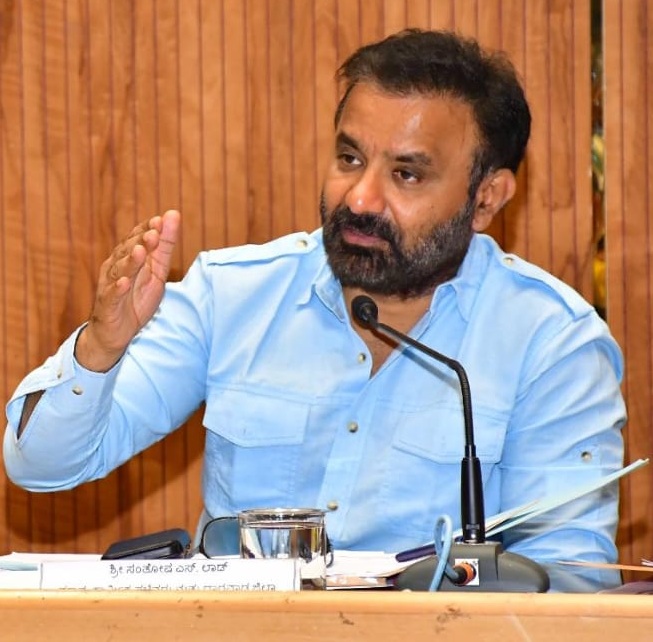
Titled “The Karnataka Rights of Persons with Disabilities in Employment and Education Bill, 2026,” the ambitious legislation is being strongly championed by Karnataka Labour Minister Santosh Lad. The bill seeks to fundamentally overhaul the professional and academic landscape for Persons with Disabilities (PwDs) across the state.
A National First in Private Sector Inclusion
While India’s federal frameworks—under the Rights of Persons with Disabilities Act, 2016—only mandate job reservations for PwDs within government and public sector undertakings, Karnataka’s new bill breaks uncharted ground.
The draft legislation, pushed by the Labour Department under Mr. Santosh Lad, proposes a mandatory 3% reservation for PwDs across private employment sectors and private educational institutions.
According to departmental sources, the core pillars of the upcoming bill include:
• Equitable Corporate Opportunities: Forcing a shift in hiring paradigms to ensure PwDs have a legally protected share in corporate and private-tier careers.
• Inclusive Classrooms: Breaking entry barriers in highly competitive private universities, technical colleges, and elite institutes.
• Infrastructure Accessibility: Enforcing strict compliance guidelines to ensure private offices and educational campuses are physically and technologically accessible.
Overcoming Roadblocks and Ensuring Enforcement
The bill initially mooted higher reservation percentages but was recently recalibrated by the Labour Department to a 3% quota to balance welfare goals with corporate compliance pressures.
Defending the aggressive policy framework, Minister Santosh Lad emphasized that constitutional equality cannot stop at the gates of private enterprises. “This bill seeks to protect and promote the rights of PwDs by ensuring equitable opportunities, inclusive participation, and accessibility in the private sector and educational institutions across the State of Karnataka,” Lad stated, appealing to all political and civic factions to support its smooth passage.
Beyond setting quotas, the proposed framework introduces strict regulatory enforcement mechanisms. Private firms will be required to submit compliance reports, and the bill outlines penal provisions for organizations failing to meet the mandated standards.
If successfully enacted into law, Santosh Lad’s signature bill will make Karnataka the definitive pioneer in private-sector social inclusion, offering a blueprint for the rest of India to follow.