By Sanghamitra Das
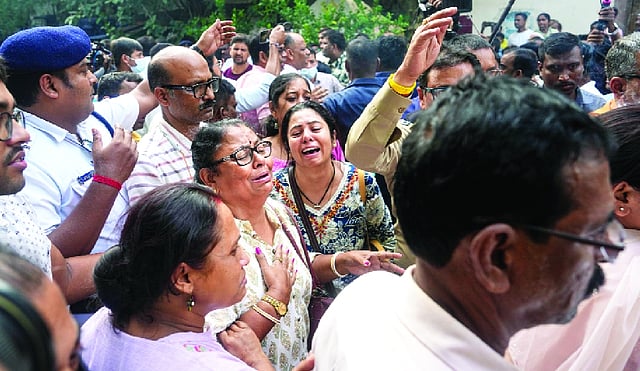
The joyous rhythm of festive drums and the vibrant spirit of Durga Puja turned into scenes of utter horror in Kolkata following a fatal stampede at the Chorbagan puja pandal. Claiming nearly 19 lives and injuring dozens more, the tragedy has cast a heavy, sorrowful shadow over the celebrations. While the immediate aftermath has triggered intense political blame games, administrative reshuffles, and police inquiries, a deeper, more uncomfortable truth demands our attention: this disaster is a stark indictment of systemic flaws in crowd management, infrastructure planning, and public civic education during mega cultural gatherings.
Anatomy of a Disaster: What Went Wrong at Chorbagan?
Mega-festivals like Durga Puja are cornerstones of cultural identity, drawing millions onto the streets. However, historical precedents—such as the near-miss at Deshapriya Park—demonstrate that enthusiasm frequently outpaces infrastructure.
At Chorbagan, a volatile mix of factors precipitated the disaster:
Structural Bottlenecks: Narrow approach lanes combined with surging numbers created a massive funnel effect.
Weather-Driven Panic: Sudden rain triggered an abrupt scramble for shelter, overwhelming temporary barricades.
Communication Breakdown: Eyewitness accounts highlight that public announcements regarding entry and exit routes were either poorly managed or ignored amid the surging sea of people.
Resource Deficits: Allegations of inadequate ground-level police deployment—with personnel disproportionately stationed near VIP zones rather than public bottlenecks—severely hampered early crisis response.
Beyond Logistics: The Missing Link of Civic Education
While blaming organizers, civic bodies, and law enforcement is a standard reactive loop, fixing the root cause requires looking inward at societal behavior. Efficient crowd management is a two-way street that relies as heavily on public cooperation as it does on police barricades.
In high-density public spaces, civic education remains dangerously neglected. Incidents of line-jumping, aggressive pushing, resistance to security protocols, and a general disregard for fellow revellers’ personal safety convert routine festival rushes into lethal stampedes. When large crowds abandon basic discipline, even the most robust security blueprint collapses.
Moving Forward: Re-engineering Festival Safety
To ensure that celebratory spaces do not transform into sites of mourning, administrative frameworks must undergo a paradigm shift:
1. Strict Spatial Audits: Pandal permissions must strictly factor in entry-exit capacities, real-time footfall monitoring, and emergency evacuation paths rather than aesthetic scale alone.
2. Decentralized Security Deployment: Security grids must prioritize high-density public zones over VIP access points, ensuring rapid response times when panic begins to brew.
3. Mandatory Public Safety Campaigns: Civic authorities, community organizers, and media houses must institutionalize behavioral campaigns emphasizing crowd etiquette, patience, and adherence to safety guidelines.
The lives lost in Kolkata cannot be reduced to mere statistics or political talking points. They represent an urgent plea for systemic reform—urging administrators to tighten safety frameworks and reminding citizens that collective responsibility is the ultimate shield against tragedy.