By New Delhi Chronicle News Desk | Updated: April 10, 2026
The Middle East remains on a razor’s edge this Friday as a shaky two-week ceasefire between the United States and Iran enters its third day. While diplomatic efforts intensify with U.S. Vice President JD Vance heading to Islamabad for mediated negotiations, military actions on the ground—particularly strikes in Lebanon—continue to threaten the longevity of the truce.
Diplomatic Push: The Islamabad Summit
In a significant diplomatic escalation, U.S. Vice President JD Vance is set to lead a high-level delegation in Islamabad, Pakistan, today. The talks, mediated by regional leaders, aim to transform the temporary 14-day pause into a durable peace agreement.
Global powers have joined the chorus for peace, urging Tehran to negotiate in “good faith.” However, the stakes are high; reports indicate that Iran has presented a 10-point plan demanding the lifting of U.S. sanctions and formal recognition of its uranium enrichment program—terms that Washington has historically found difficult to accommodate.
The ‘Lebanon Loophole’ Threatens the Truce
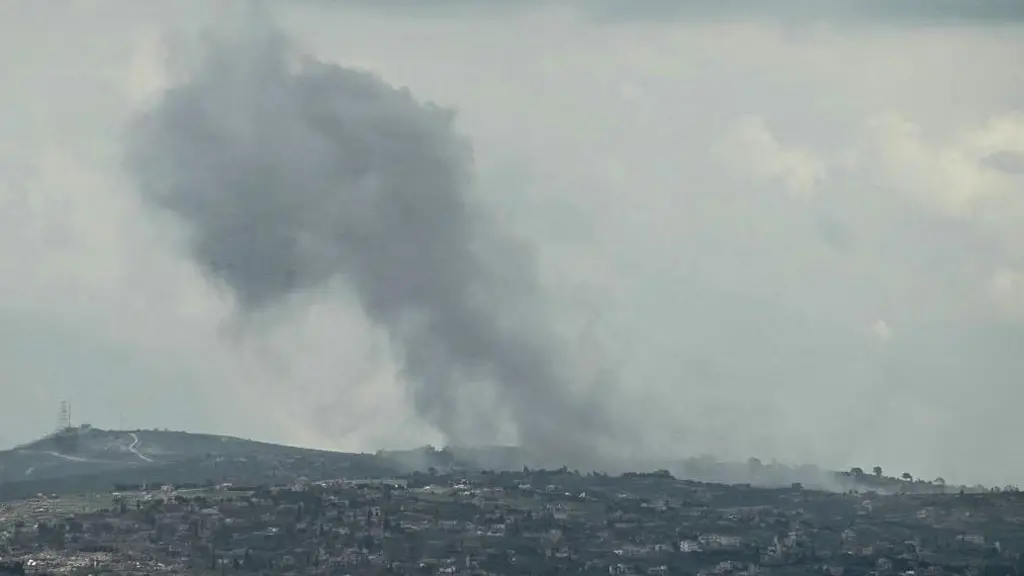
Despite the ceasefire, the border between Israel and Lebanon remains a combat zone. Military forces have continued strikes against Hezbollah positions, asserting that the truce with Iran does not grant immunity to regional proxies who continue to pose a threat.
Reports from southern Lebanon indicate that artillery has targeted several towns, including Kafr Rouman and Habboush. Tehran has warned that continued “unprovoked” attacks on its allies could lead to a “strong response,” potentially collapsing the ceasefire agreement before the weekend.
Strait of Hormuz: The Global Energy Chokepoint
The world’s energy markets are watching the Strait of Hormuz with bated breath. While the ceasefire agreement stipulated the reopening of the vital waterway, shipping remains significantly below normal levels.
U.S. President Donald Trump issued a stern warning via social media, criticizing the current facilitation of oil flow. Trump warned that if transit remains restricted, the U.S. will take measures to ensure oil flows regardless of regional cooperation. Currently, several hundred vessels remain hesitant to transit the Gulf due to lingering fears of sea mines.
Regional Fallout: Kuwait and Saudi Arabia on Alert
The conflict has spilled over into the wider Gulf region. Kuwait recently condemned drone attacks on its vital facilities, calling them a violation of sovereignty. Meanwhile, Saudi Arabia has reported damage to critical pipeline infrastructure, highlighting the extreme vulnerability of global energy supply lines during this crisis.
What to Expect Next?
As the Islamabad talks begin, the international community is looking for three key indicators of stability:
1. De-escalation in Lebanon: Will military forces scale back strikes to keep Iran at the negotiation table?
2. Hormuz Transit: Will commercial shipping return to pre-war volumes?
3. Sanctions Relief: Is the Trump administration willing to offer economic concessions to secure a final deal?