By New Delhi Chronicle News Desk
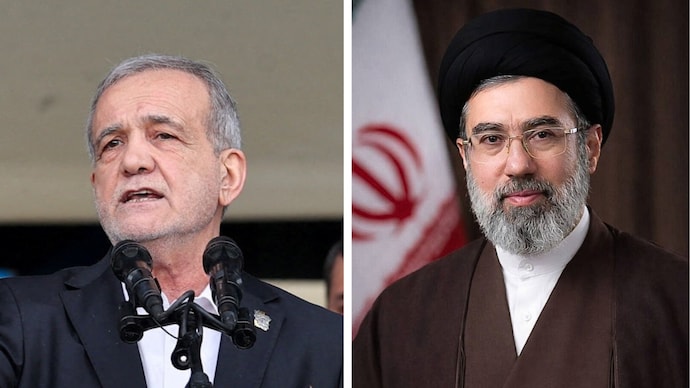
TEHRAN/BAGHDAD – As the conflict between Iran and the US-Israeli coalition intensifies, Iranian President Masoud Pezeshkian has officially outlined a three-point roadmap to end the hostilities. The diplomatic overture comes at a precarious moment, as maritime security in the Gulf crumbles following deadly attacks on oil tankers in Iraqi waters.
The Three Conditions for Peace
In a televised address, President Pezeshkian stated that Tehran is prepared to discuss an “off-ramp” to the current war, provided the international community meets three specific demands:
1. Recognition of Rights: Full international recognition of Tehran’s “legitimate rights” and national sovereignty.
2. War Reparations: The payment of financial reparations for damages caused by US and Israeli strikes.
3. Security Guarantees: Firm, legally binding international guarantees that no future aggression will be launched against Iranian territory.
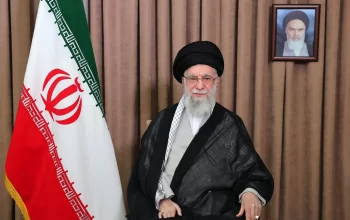
While the proposal offers a theoretical end to the violence, skeptics point to the defiant tone of Iran’s new Supreme Leader, Mojtaba Khamenei, who simultaneously warned that US bases in the region remain active targets until they are closed.
Chaos in the Gulf: Oil Tankers Under Fire
The energy market faced fresh shocks on Thursday as Iraq was forced to shut down all oil port operations. The move followed devastating attacks on two foreign oil tankers carrying Iraqi fuel oil. One vessel reportedly caught fire in Iraq’s territorial waters, prompting fears of a massive environmental disaster and a total halt to exports from the northern Gulf.
CENTCOM reports that the maritime conflict is widening. According to US officials, over 90 Iranian-affiliated vessels—including 30 mine-laying ships—have been damaged or destroyed since the start of the campaign.
6,000 Targets Hit as Conflict Spreads
The scale of the military intervention has reached unprecedented levels. US Central Command (CENTCOM) confirmed that approximately 6,000 targets within Iran have been struck since the commencement of the US-Israeli operation. Explosions continue to rock the capital, Tehran, with recent strikes specifically targeting Basij paramilitary roadblocks and infrastructure.
The spillover effect is being felt across the Middle East:
• Kuwait & Saudi Arabia: Both nations reported intercepting multiple waves of drones and ballistic missiles over the last 24 hours. A drone strike in a residential area of southern Kuwait resulted in two injuries.
• Lebanon: Israeli strikes on central Beirut have escalated, targeting financial institutions linked to Hezbollah. Two academics from the Lebanese University were confirmed killed in recent raids.
• Global Economy: French energy giant TotalEnergies announced it is losing 15% of its global production due to shutdowns in Qatar, Iraq, and the UAE.
The Diplomatic Standoff
As regional neighbors like Qatar and Oman call for “the application of reason,” the diplomatic rift is deepening. Lebanon has summoned the Iranian chargé d’affaires to protest “interference in national affairs” following coordinated IRGC-Hezbollah operations.
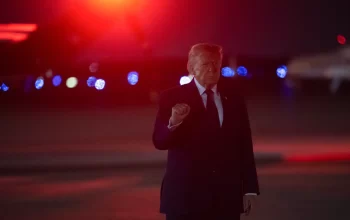
Meanwhile, US President Donald Trump has suggested that while he seeks a resolution, it is currently “not appropriate” for Iran to participate in upcoming international events like the World Cup due to safety concerns.
With Tehran setting its terms and the coalition continuing its high-tempo air campaign, the prospect of a ceasefire remains tethered to demands that Washington and Tel Aviv are currently unlikely to meet.