By Chronicle News Service
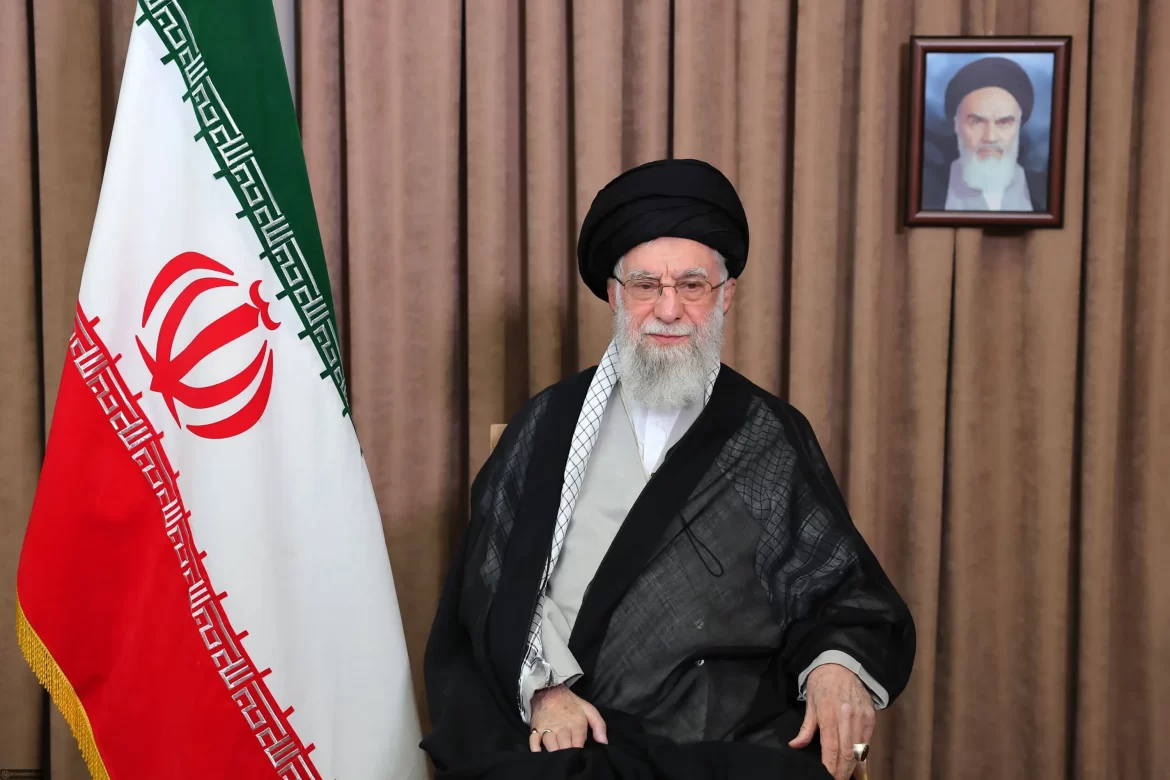
TEHRAN / NEW DELHI — The Middle East has been thrust into its most volatile era in decades following the confirmed death of Iran’s Supreme Leader, Ayatollah Ali Khamenei. Iranian state media officially confirmed early Sunday (March 1) that the 86-year-old leader was “martyred” during a massive joint military operation conducted by the United States and Israel.
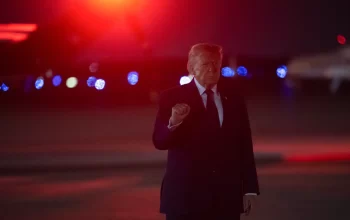
The strike, which occurred late Saturday evening, targeted Khamenei’s high-security compound in Tehran. U.S. President Donald Trump, who announced the success of the mission via social media shortly before the official confirmation, described the operation as a “pinpoint” strike intended to dismantle the “headquarters of the Iranian terror regime.”
A Decapitated Leadership
The assault appears to have targeted the very heart of the Islamic Republic’s power structure. Beyond the Supreme Leader, the semi-official Fars News Agency reported the deaths of several high-ranking figures and members of Khamenei’s immediate family, including his daughter and son-in-law.
Security sources indicate that the strike also claimed the lives of:
• Mohammad Pakpour: Commander of the IRGC Ground Forces.
• Ali Shamkhani: Top military advisor and former security chief.
• Aziz Nasirzadeh: Iran’s Defense Minister.
Interim Council and 40 Days of Mourning
In an emergency broadcast, the Iranian government declared 40 days of national mourning and a seven-day public holiday. To prevent a total power vacuum, the Supreme National Security Council announced the formation of an interim leadership council.
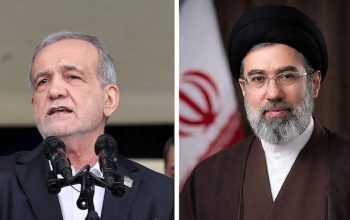
The council—comprised of President Masoud Pezeshkian, Judiciary Chief Gholamhossein Mohseni Ejei, and newly appointed jurist Ayatollah Alireza Arafi—will oversee state affairs until the Assembly of Experts can select a formal successor. President Pezeshkian has already condemned the assassination as a “great crime” and a “declaration of war against Muslims,” vowing a “crushing response.”
Global Reactions and the ‘India Impact’
The news has triggered polarizing scenes across the globe. While mass mourning rallies filled Enghelab Square in Tehran, videos emerged showing pockets of celebration in other Iranian cities.
In India, the Ministry of External Affairs (MEA) issued an urgent advisory for Indian nationals in the Gulf region, calling for “dialogue and diplomacy” while emphasizing the “safety of civilians.” The escalating conflict has already caused significant disruption:
• Aviation: Airspaces over much of West Asia have been closed, with major hubs like Dubai and Doha shuttered.
• Education: CBSE board examinations for students in the Middle East, originally set to begin today (March 2), have been postponed.
• Energy: Oil markets are bracing for volatility as tensions rise near the Strait of Hormuz.
What Lies Ahead
As of Monday morning, the International Atomic Energy Agency (IAEA) is convening an extraordinary meeting in Vienna to discuss the security of Iran’s nuclear sites. With no clear successor to the 36-year rule of Khamenei, the world watches to see if this “decapitation strike” will lead to the regime’s collapse or a full-scale regional conflagration.